
Forecasting built for clarity
Decisions grounded in data you can trust
We help businesses see patterns before they become problems
How accurate forecasting changes planning
Most businesses operate with assumptions rather than projections. When revenue forecasts miss by 20%, inventory sits unused or orders go unfulfilled. We work with operational data to model demand patterns, seasonal shifts, and external factors that influence outcomes. Our models adjust as conditions change, giving teams a clearer view of what's coming and when to act. This isn't about predicting the future perfectly—it's about reducing uncertainty enough to make better calls on budget, staffing, and resource allocation.
Founded in 2023, Zliptron emerged from a need to make forecasting accessible beyond enterprise-level analytics teams. We focus on mid-sized operations where decisions happen quickly and margins are tight. The tools we build integrate with existing systems, pulling data from sales, operations, and finance to generate forecasts that reflect actual business conditions rather than generic trends.
Forecast accuracy
87%
Model updates
Daily
Data integration
Real-time
Scenario testing
Instant
Who builds the models
Three people with different backgrounds who share an interest in making forecasting less abstract and more actionable

Fintan Houlihan
Data modeling
Spent eight years working with supply chain data before moving into forecasting. Builds models that adapt to irregular patterns without requiring constant manual adjustment.
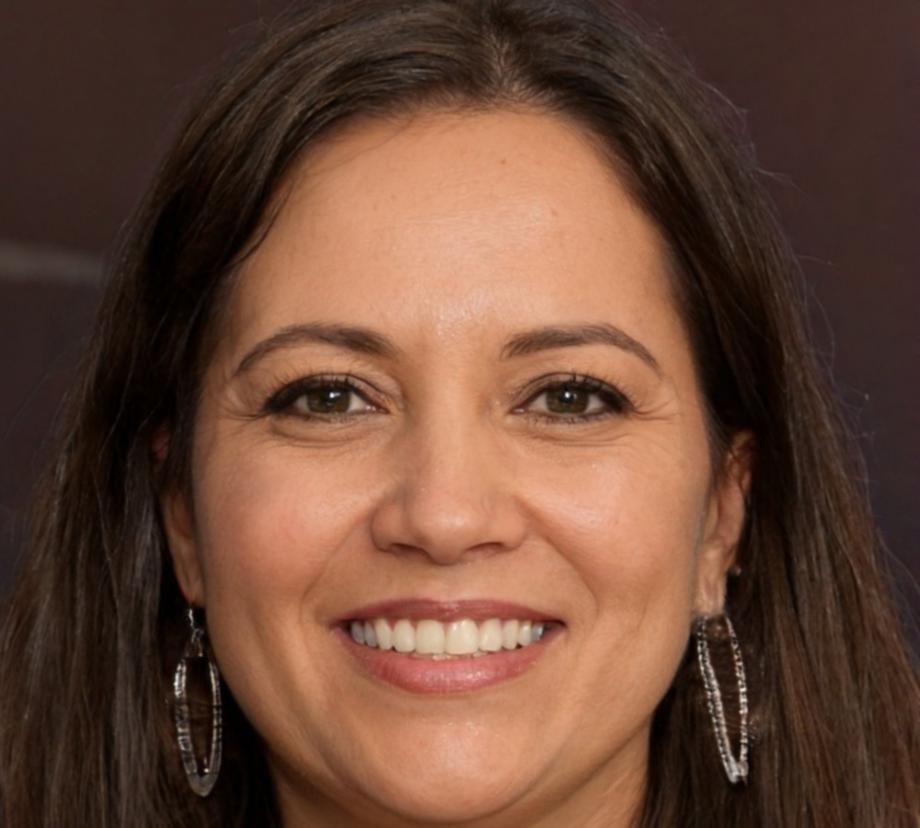
Saoirse Breathnach
Systems integration
Connects forecasting tools to existing business systems so data flows automatically. Previously worked in operations software for retail and manufacturing.
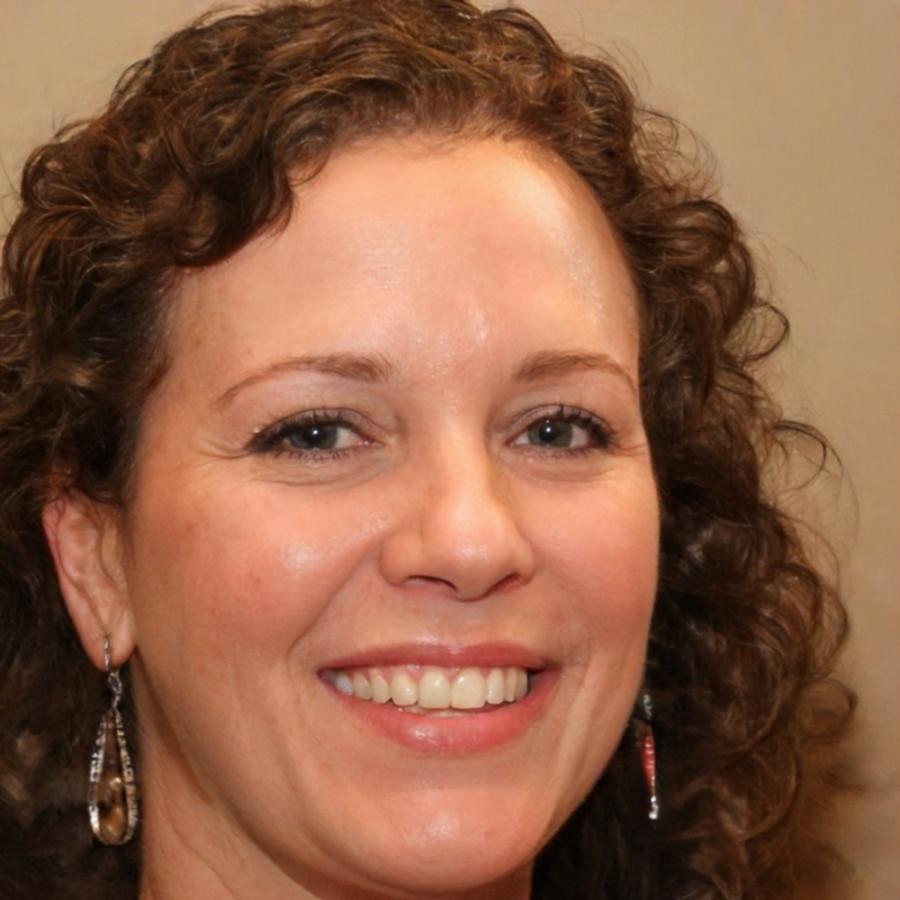
Orlaith Dunne
Client implementation
Helps teams interpret forecast outputs and integrate them into planning workflows. Background in finance operations and business analysis.

What makes forecasting work
Forecasts fail when they're treated as fixed predictions. Markets shift, suppliers change, customer behavior evolves. Our models recalibrate continuously using live data feeds, so projections stay relevant as conditions change. We test multiple scenarios simultaneously—best case, likely case, conservative case—so teams can plan for range rather than a single outcome. This reduces the risk of being caught off-guard when reality diverges from the initial projection.
We don't build models in isolation. Implementation involves mapping your current data sources, identifying gaps, and establishing update intervals that match your decision cycles. Most clients see usable forecasts within three weeks of starting integration.